People
Composition faculty: Dmitri Tymoczko, Florian Magnus Maier, Molly Herron, and Pascal Le Boeuf.
Guest faculty: Fabrizio Nastari. Musicologist in residence: Giovanni Cestino. Performers: Trio Kanon: Diego Maccagnola, Lena Yokoyama, and Alessandro Copia. Executive producer: Paolo Fosso; Artistic director: Giovanni Albini.
Dmitri Tymoczko
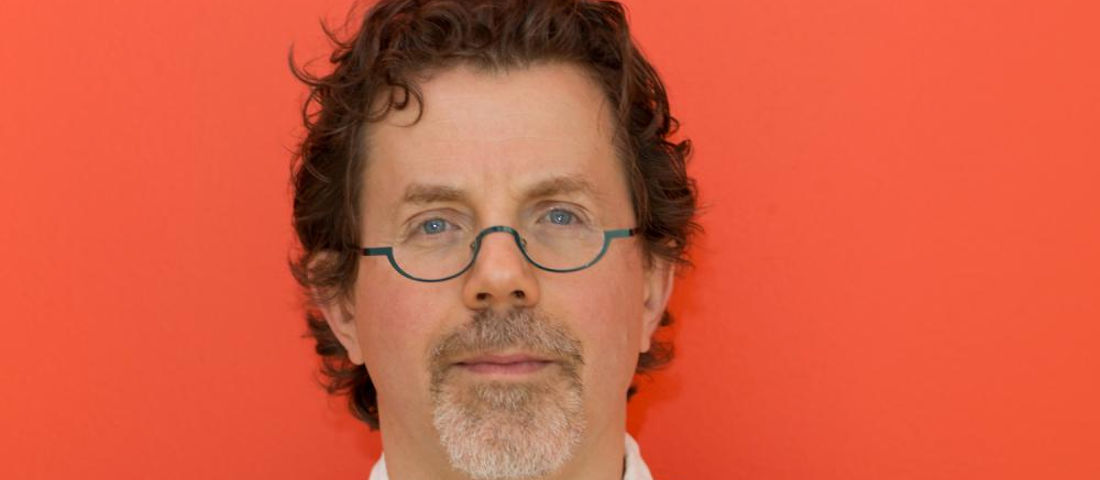
Dmitri Tymoczko was born in 1969 in Northampton, Massachusetts. He studied music and philosophy at Harvard University, and philosophy at Oxford University. He received his Ph.D in music composition from the University of California, Berkeley. He is currently a Professor of Music at Princeton, where he has taught composition and theory since 2002. He lives in Philadelphia with his wife, Elisabeth Camp, who teaches philosophy at Rutgers University, their son Lukas, who was born in 2008, and their daughter Katya, born 2012. His compositions are polystylistic and mercurial, drawing on genres from the Renaissance to rock. His music has been commissioned and performed by groups including the Amernet Quartet, the Atlantic Brass Quintet, the Brentano Quartet, the Corigliano Quartet, Flexible Music, Gallicantus, the Gregg Smith Singers, the Illinois Modern Ensemble, Janus Trio, the Kitchener/Waterloo symphony, Network for New Music, Newspeak, Pacifica Quartet, Synergy Vocal Ensemble, Third Coast Percussion Quartet, and Ursula Oppens. Among his awards are a Guggenheim fellowship, a Rhodes Scholarship, the Leonard Bernstein fellowship from Tanglewood, a fewllowship from the Radcliffe Institute for Advanced Study, and the Block lecturship from the Society of Industrial and Applied Mathematics. His book A Geometry of Music (Oxford) has been described as “a tour de force” (The Times Literary Supplement), a “monumental achievement” (Music Theory Online), and, potentially, a modern analogue to Schoenberg’s Harmonielehre (The Musical Times). His first three CDs, Beat Therapy (“far reaching yet utterly entertaining,” Newmusicbox), Crackpot Hymnal (“ebullient … polystylistic … kinetic … vividly orchestrated and vibrantly paced,” Sequenza21), and Rube Goldberg Variations (“foot tapping,” “sassy,” the product of “an intriguing musical voice that should interest anyone in search of a new auditory experience,” Limelight), are available from Bridge Records. A new disc, Fools and Angels has just been released. In addition to composing concert music, Dmitri enjoys playing rock and jazz and writing words. His articles have appeared in the American Mathematical Monthly, the Atlantic Monthly, Berfrois, Boston Review, Civilization, Integral, Journal of Music Theory, Lingua Franca, Music Analysis, Music Theory Online, Music Theory Spectrum, Science, Seed, and Transition. His article “The Geometry of Musical Chords” was the first music-theory article published in the 130-year history of Science magazine. He has been invited to speak to audiences of musicians, philosophers, cognitive scientists, mathematicians, physicists, and the general public; articles about his work have appeared in a variety of newspapers and magazines, including Time, Nature, and Physics Today.
Florian Magnus Maier
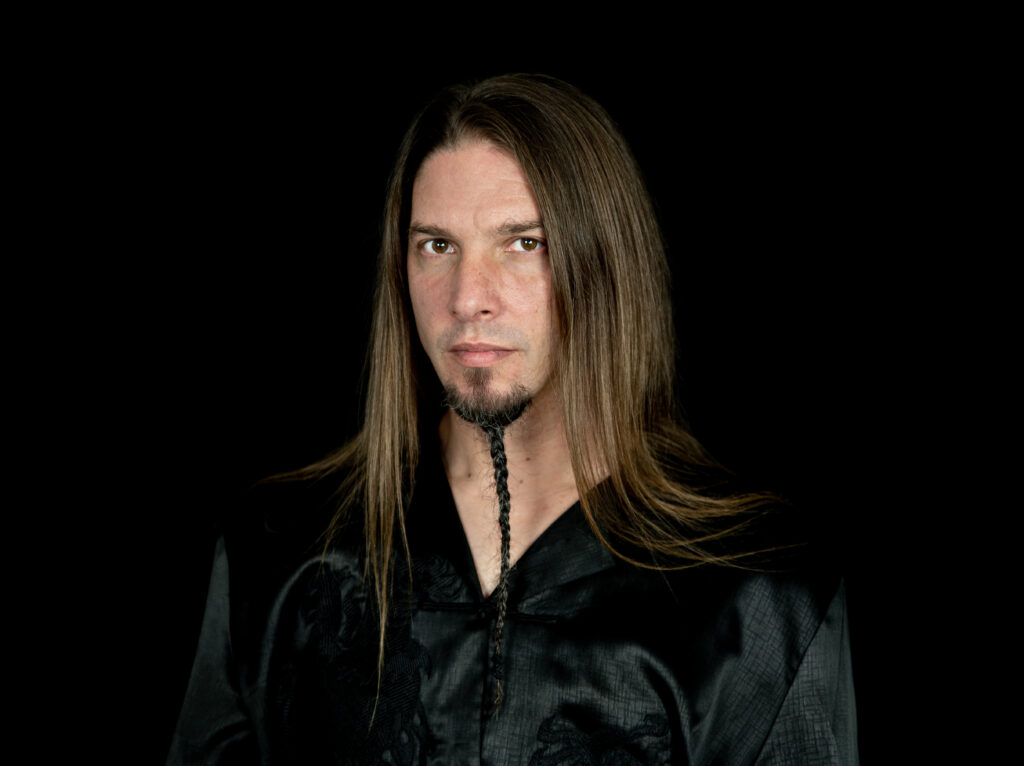
Florian Magnus Maier is a freelance composer, performer, lyricist, and occasional teacher, coach and adviser based in Schiedam / The Netherlands. His music is characterized by a strong and recognizable own musical language, a passionate association with a wide variety of genres, disciplines and styles, great flexibility and openness to compositional challenges, a virtuosic command of compositional and instrumental techniques, and an unwavering commitment to musical functionality, which anchored him deeply in the Dutch and international composed music scenes. Born in Munich, Germany in 1973, Maier started to play classical and electric guitar at age 13. In 1994, he moved to Rotterdam to study flamenco guitar with Paco Peña and classical composition with Klaas de Vries, René Uylenhoet and Peter-Jan Wagemans at Codarts, graduating in the latter in 2001 cum laude and with the composition prize of the Rotterdam Conservatory. He followed courses and masterclasses with guitar masters Michael Tröster, Dieter Kreidler, Manolo Sanlúcar, Manolo Franco and Paco Serrano, and with composers Michael Gandolfi, George Crumb, Osvaldo Golijov, Bright Sheng, Steven Mackey and Paul Patterson among others. He received two fellowships to the Tanglewood Music Center, the summer school of the Boston Symphony Orchestra, where he was also awarded the Paul Jacobs Memorial Award in 2003. His first orchestra piece “Simyacı” won the Matthijs Vermeulen Aanmoedigingsprijs of the city of Amsterdam in 2002, and several of his works have been selected as finalists in composition competitions like Gaudeamus, Musica Nova and the International Rostrum of Composers. An abundance of requests for new works allowed Maier to become one of the most prolific composers of the Netherlands, resulting in an uninterrupted string of commissions for mainly autonomous concert music, but also theatrical and interdisciplinary productions, electronic music, collaborations with numerous rock / metal bands and world music ensembles, and the occasional movie soundtrack or radio jingle since his study days. He writes for the highest level of performers, both in the Netherlands and abroad. Regular collaborations include the Rotterdam Philharmonic Orchestra, the Dutch Radio Orchestras, the National Opera, leading contemporary music ensembles such as Asko | Schönberg, Doelen Ensemble, Nieuw Ensemble, Nederlands Blazers Ensemble, Amsterdam Sinfonietta, New Trombone Collective, Black Pencil and LUDWIG, various Dutch student orchestras like the NSO, Nesko, USC and Lundi Bleu, and diverse Dutch and international soloists and chamber ensembles like Jörgen van Rijen, Brandt Attema, Izhar Elias, Ralph van Raat, Ketevan Roinishvili, Tatiana Koleva, Jan Rokyta, Julija Hartig, the Zapp4- , Doelen- , Alma- and Matangi string quartets, international trombone virtuoso ensemble Slide Monsters, and many others. Maier’s music has been featured with great regularity in the big concert halls and festivals of classical music as well as rock and world music, for example the Gaudeamus Festival, the Cello Biënnale Amsterdam, November Music, Roadburn, Dag in de Branding, Hellfest, Gergiev Festival, the Dutch Flamenco Biënnale, Bachfestival Dordrecht, Summer Breeze, Wonderfeel, De Doelen’s Red Sofa series and Dutch Music Days, to name but a few. Maier has been a regular guest on Dutch radio and TV for many years (e.g. NTR Podium, Top 2000, Virus TV, Vrije Geluiden, Radio 4, Concertzender, Zaterdagmatinee, TV Rijnmond and others). More than 20 albums from different genres with a substantial role for Maier’s music have been released with worldwide success. Not least thanks to his ability and experience to combine different genres and disciplines both within and outside music, Maier became a sought-after arranger / co-composer for renowned national and international artists like The Concertgebouw, Rotterdam Philharmonic, Metropole and City of Prague Symphony orchestras, and bands like Celtic Frost / Triptykon, Paradise Lost and the Devin Townsend project.
He also regularly provides arrangements of his own works for new orchestrations, with a special interest in translating the same notes between genres and to completely different instruments. Next to his ample composition practice, Maier still performs as guitarist and vocalist in both the classical and the rock / metal scenes, either as invited soloist with some of the classical ensembles and orchestras mentioned above, or in his own bands Alkaloid, Dark Fortress, Noneuclid and The Hungry Gods, with some of which he performs and tours internationally on a regular basis under the pseudonym Morean. He considers keeping up an own active instrumental practice essential for a composer, in order not to lose touch with either the realities of his performers or the basic pleasures and challenges of playing music. As the designated lyricist and concept designer of all his bands, as well as coming from a family of language professionals, Maier embraces the opportunity to apply his compulsive creativity to express himself in words and in concepts for performances and albums. In recent years, sciences like physics and botany in their extremes have served as his main inspiration for both words and music. Maier has worked as an external coach and composition teacher for different Dutch academies (e.g. Codarts, Fontys Tilburg, YCM / Apeldoorn), and privately teaches a select number of international composition students. He also worked for years as external advisor for Fonds Podiumkunsten, dCK and RRKC Rotterdam.
Molly Herron
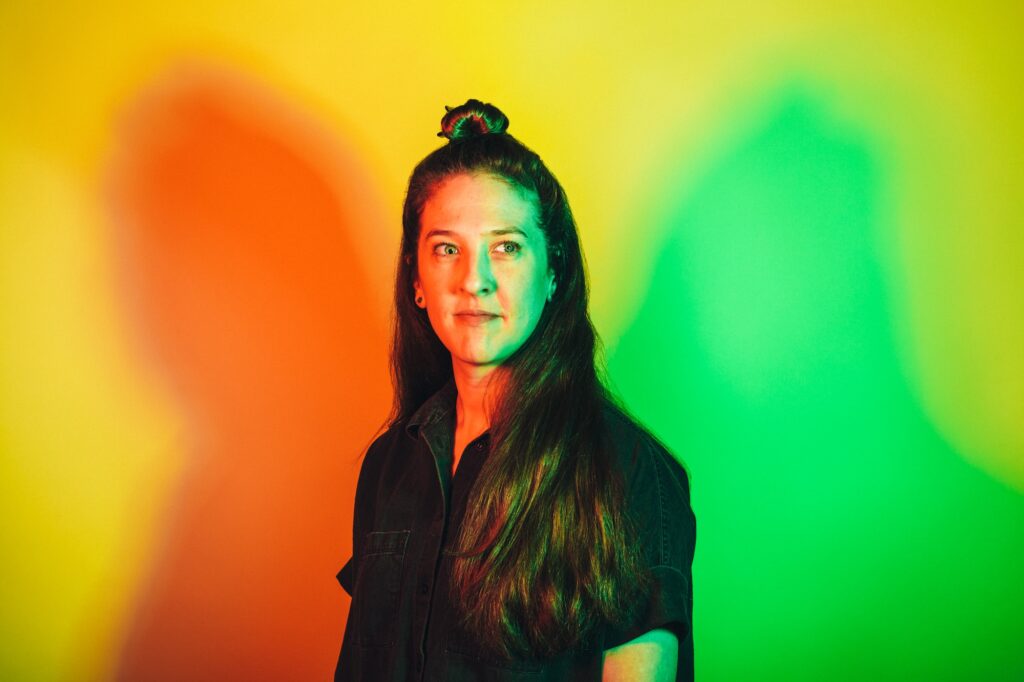
Composer Molly Herron “thinks deeply about motion, energy, and the physics of sound” (NPR). Whether writing for baroque strings, flowerpots, or newly designed instruments, her work achieves “a wonderful consideration of counterpoint and sound in time” (Seen and Heard International). Released on New Amsterdam Records, the album “Through Lines: New Music for Viola da Gamba” is a collaboration with the viol consort Science Ficta. Of the album, I Care If You Listen says: “The casual listener might get pleasantly lost within the sounds of these pieces, while deep listening reveals smartly crafted layers of historical and contemporary ideas … In negotiating the space between the conventional and the unconventional, [Herron] creates a connection between composers of the past and herself, a thoughtful and skilled composer of the 21st century.” Herron’s work has been featured on the Bang on a Can Marathon, MATA festival, American Composers Orchestra’s SONiC Festival, Fast Forward Austin, Berlin Film Festival, and Sundance Film Festival. She has written for The Orchestra of St. Luke’s, Argus Quartet, Sō Percussion, Contemporaneous, and the String Orchestra of Brooklyn among many others. Her work has been supported by the DeGaetano Composers Institute, MATA, The New York Foundation for the Arts, The Brooklyn Arts Council, the Copland Fund, Avaloch Farm New Music, and Exploring the Metropolis. Herron received a Masters of Music degree from The Steinhardt School at New York University and a Ph.D from Princeton University. She is a Visiting Artist at MIT. Molly lives in Boston with her husband, composer Pascal Le Boeuf, and their two kids.
Pascal Le Boeuf
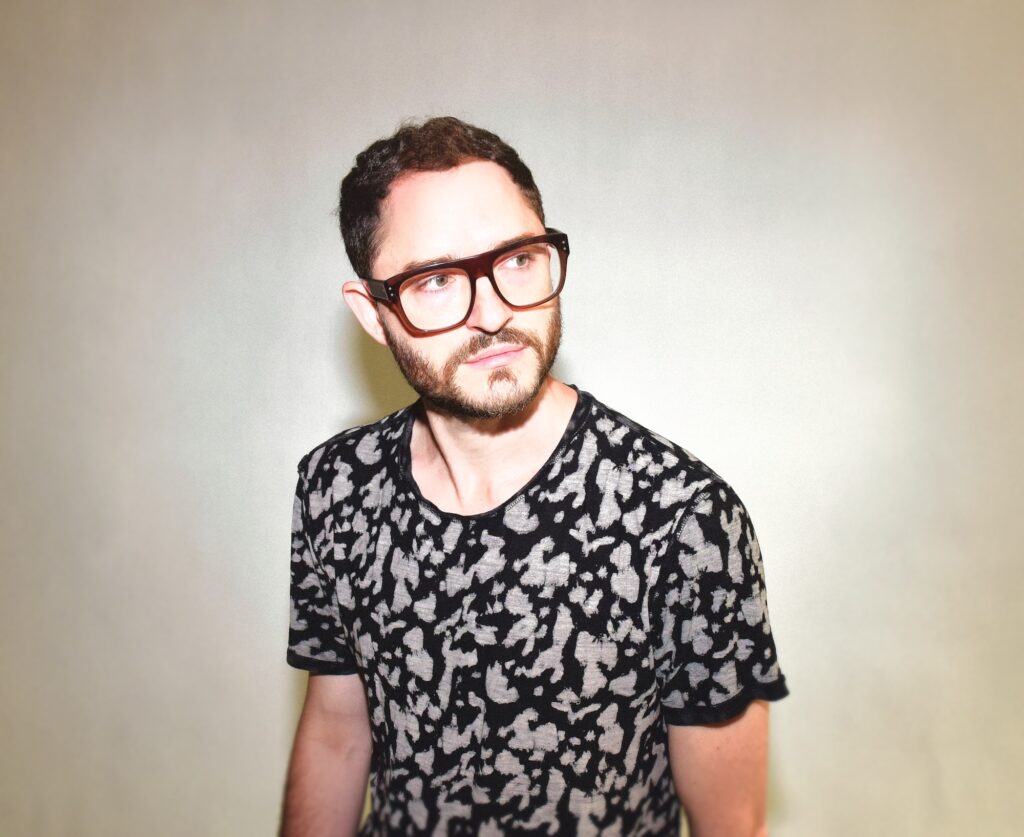
Described as “sleek, new,” “hyper-fluent” and “a composer that rocks” by the New York Times, Pascal Le Boeuf is a GRAMMY-award winning composer, jazz pianist, and producer whose works range from improvised music to hybridizing notation-based chamber music with production-based technology. Recent compositions include “Are We Dreaming the Same Dream?” commissioned by Akropolis Reed Quintet with drummer Christian Euman; “Imprints” for Alarm Will Sound; “Playground” commissioned by Orchestra of St. Lukes; “Triple Concerto” for violin, percussion duo and orchestra featuring Barbora Kolářová and Arx Duo; “I Am Not A Number” commissioned by New World Symphony; and “Out of the Gate” commissioned and premiered by Nu Deco Ensemble. Recent commercial recordings and videos include collaborations with Akropolis Reed Quintet & Christian Euman, Tasha Warren & Dave Eggar, Friction Quartet, JACK Quartet, Hub New Music, Todd Reynolds, Sara Caswell, Jessica Meyer, Nick Photinos, Four/Ten Media, Bec Plexus featuring Ian Chang (of Son Lux), Dayna Stephens, Linda May Han Oh, Justin Brown, and the Le Boeuf Brothers Quintet (co-led by Remy Le Boeuf) praised by the New Yorker for “clearing their own path, mixing the solid swing of the jazz tradition with hip-hop, indie rock, and the complex techniques of classical modernism.” As a keyboardist, Pascal has played as support for D’Angelo’s Black Messiah tour and Clean Bandit’s Rather Be tour with Australian pop artist Meg Mac. He actively performs with Le Boeuf Brothers, Jessie Montgomery’s Everything Band, vocalist/technologist Jamie Lidell, saxophonist Jeff Coffin, and his piano trio “Pascal’s Triangle” with bassist Linda May Han Oh and drummer Justin Brown. Pascal’s most recent awards include a 2025 GRAMMY for “Best Instrumental Composition”, a 2024 Barlow Commission, a 2023 Guggenheim Fellowship, and a 2020 Copland House Residency Award. Pascal is an Assistant Professor of Music at Massachusetts Institute of Technology where he teaches composition. He holds a Ph.D. in Music Composition from Princeton University where he was the recipient of a Harold W. Dodds Honorific Fellowship. He received his Bachelor and Master of Music degrees from the Manhattan School of Music where he studied jazz piano with Kenny Barron.
Giovanni Albini
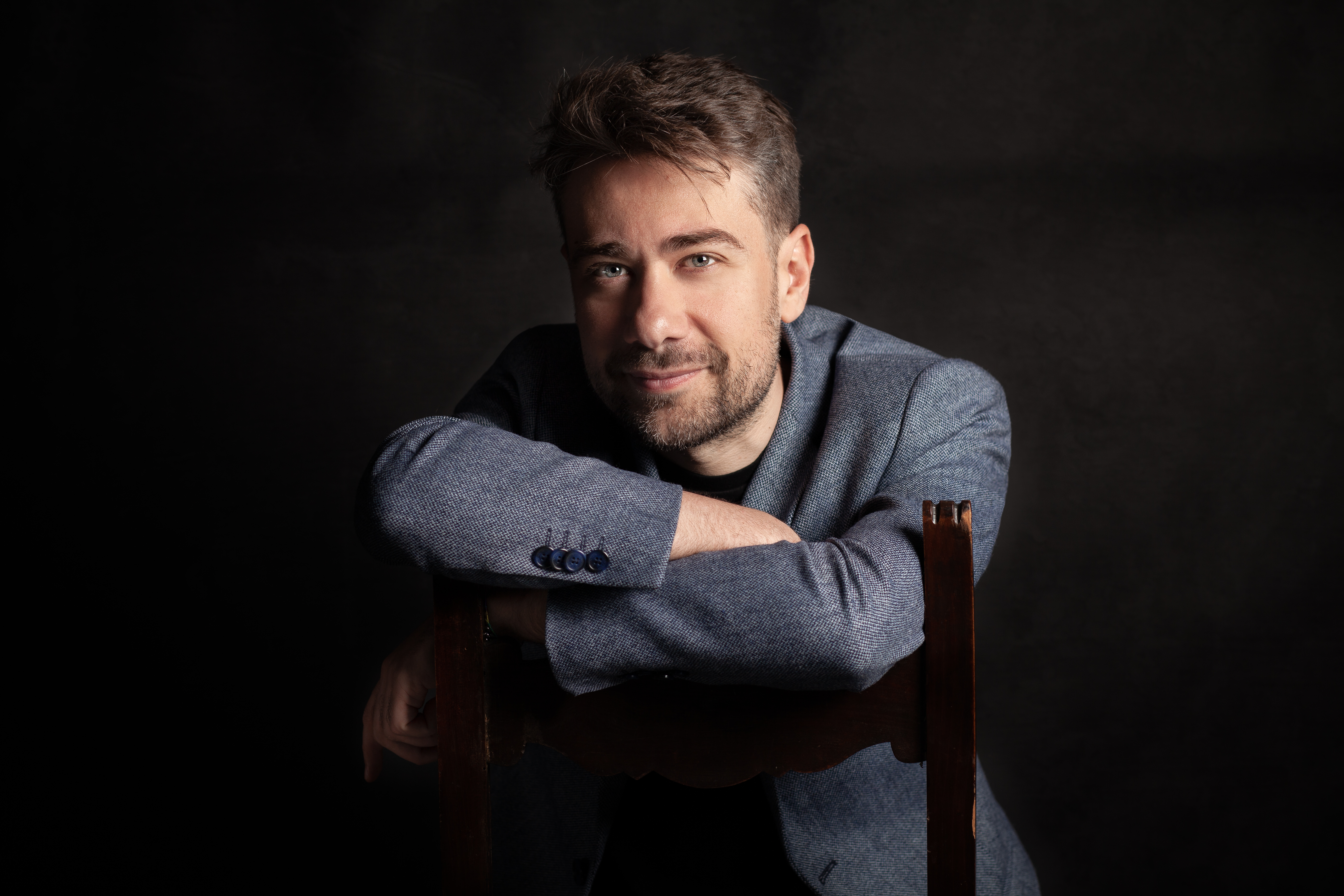
Giovanni Albini (b. 1982), composer, ukulelist and music theorist, is a tenured professor, head of research, PhD program coordinator, and delegate for international projects at the Conservatory “Antonio Vivaldi” of Alessandria, where he has established the world’s first Bachelor’s degree program in Ukulele. He teaches Composition at the bachelors of the Conservatory of Lugano (Swiss Confederation), and is an academic member of the Istituto di Studi Superiori dell’Insubria “Gerolamo Cardano”. He is the coordinator of the joint PhD program in “Practices and Repertoires of Italian Music,” administratively based at the Conservatory of Alessandria. He is the scientific director of the national project “Casta Diva”, funded by PNRR funds. He is the research and conference coordinator of ANDA – Associazione Nazionale Docenti AFAM. He taught the seminar Quantitative Methods for Art at The University School for Advanced Studies IUSS Pavia, an Italian Public Institution devoted to research and higher education. He holds a BM, a MM and a PgD in Composition, a BS and a MS in Mathematics and a MM in Classical Guitar. He received his Ph.D in music composition from the Estonian Academy of Music and Theatre in Tallinn. His theoretical research focuses on mathematically informed aesthetic theories of music composition, mathematical music theory and its application to composition and he devoted himself with special interest to soundtracks for interactive media, algorithmic music and non linear composition systems. He has given several lectures on these topics at many universities and conservatories including Curtis Institute of Music, Yale University (USA), Universidad Nacional Autónoma de México (MX), Open University (UK), Lithuanian Union of Composers (LT), Politecnico di Milano (IT), etc. In March 2023, he presented his research on contemporary ukulele music during seminars for composition classes at esteemed institutions like The Juilliard School in New York and the Curtis Institute of Music in Philadelphia. He has written several concert music scores as well as many tracks and sound designs for video art, exhibitions, multimedia, commercials, trailers, videogames and television. He is the founding Artistic Director of the highSCORE New Music Center and of the highSCORE Festival, today’s principal Italian Contemporary Music Festival offering masterclasses. Moreover, he is a ukulelist devoted to the modern and classical reportoire who commissions and performs new contemporary classical music written for the ukulele and transcribe classical and renowned contemporary and twentieth century scores for it. The recordings of his music are published by Brilliant Classics, Da Vinci and Stradivarius. His ukulele transcriptions are edited by Ricordi and exclusively distributed by Hal Leonard.
Giovanni Cestino
Giovanni Cestino (1992) holds a degree in Classical guitar from Conservatory of Alessandria, a MA in Musicology from University of Pavia, and a PhD in Musicology from University of Milan. He also took courses in Composition, Choral Conducting, and Renaissance Lute. He collaborates with LEAV – Ethnomusicology and Visual Anthropology Lab (University of Milan), and with Centro Studi Luciano Berio (Florence). Between 2018 and 2019 he has been visiting fellow at the Harvard Music Department. He also took part in several projects by the Paul Sacher Stiftung (Basel), which recently awarded him a six-months research scholarship. He currently a faculty member at Milan Choral Academy, and a postdoctoral fellow at University of Milan (Department of Cultural Heritage and Environment).
Paolo Fosso
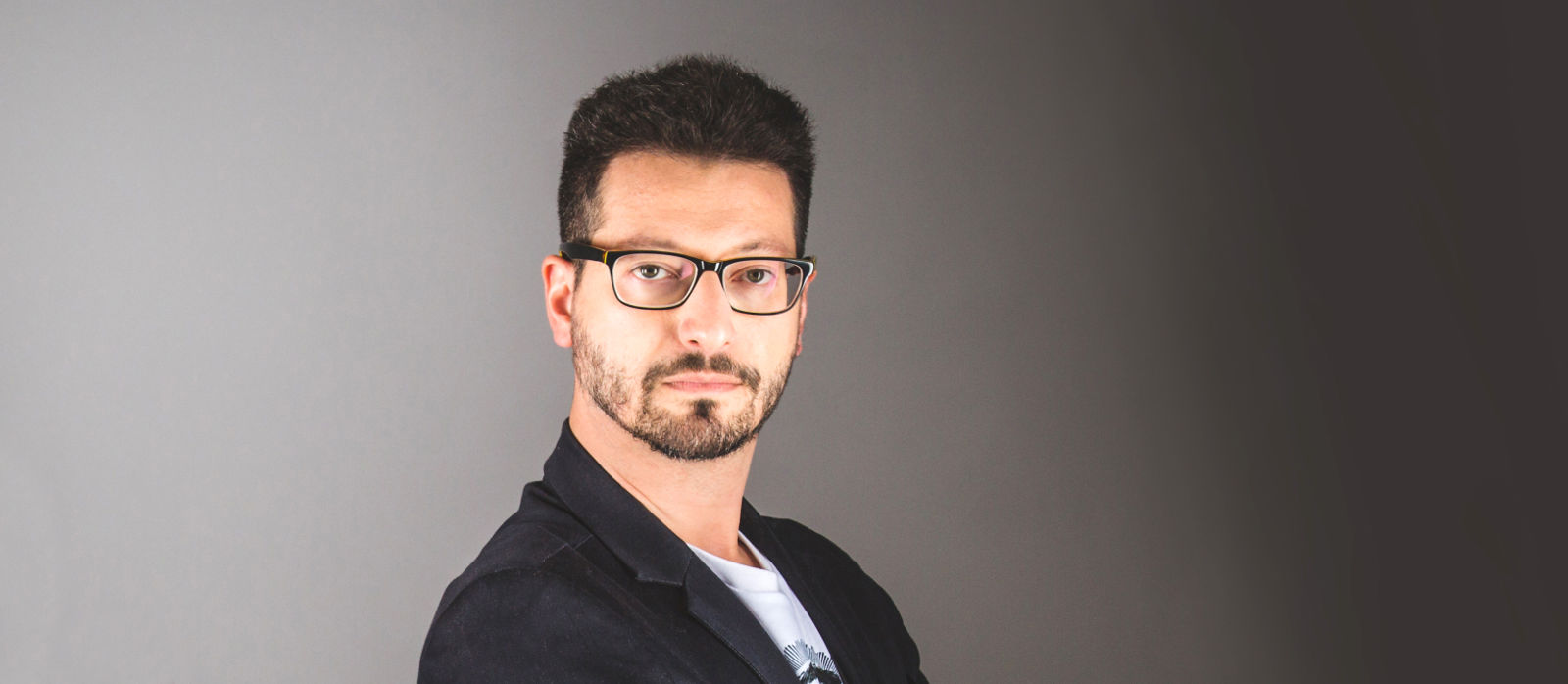
Paolo Fosso is a composer and an Event Manager, dedicated to promoting contemporary music and digital awareness by featuring a range of events throughout the year, such as the highSCORE Festival and the Screen Music Program. Nominated at the International Sound & Film Music Festival (ISFMF), “one of the largest and most important film music festivals in the world.” President of the Conservatory of Pavia from 2010 to 2013. Selected by the European Commission in Brussels as Expert both in the MEDIA and in the Culture programs. Global Head of Contents at Campus Party, the greatest technological experience of the world. He studied Computer Science at the University of Milan and Composition at the Conservatory of Milan. As a passionate Entrepreneur, he invests in marketing and technology. Recipient of the Ivano Becchi Professional Award endowed by the Banca del Monte di Lombardia Foundation and the Talent of Ideas prize by UniCredit Bank.
Fabrizio Nastari
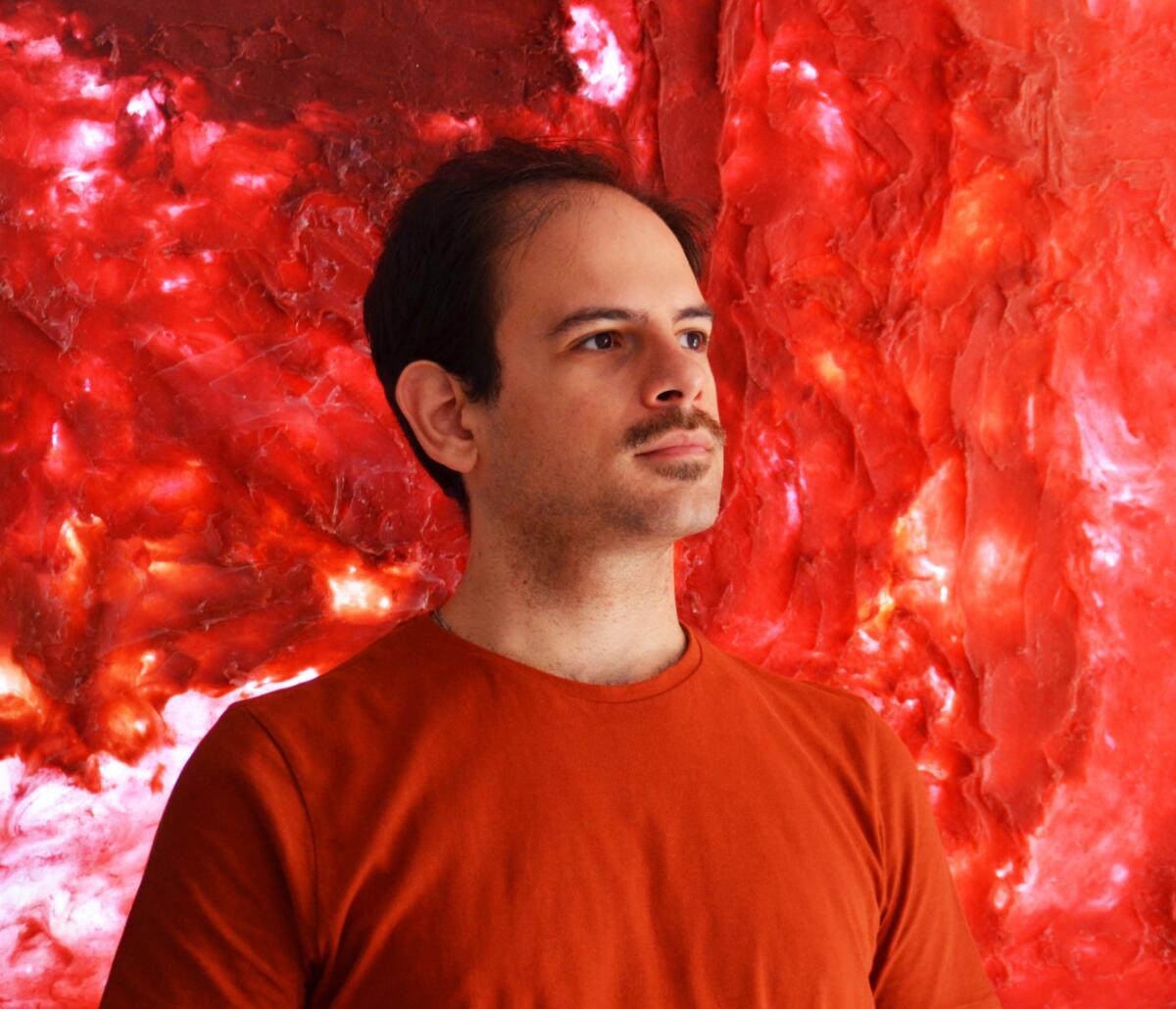
Fabrizio Nastari (b. 1990, Roma) is an Italian composer whose work revolves around the use of irony as a central artistic and rhetorical device. He completed his PhD research, Borrowing Existing Material, and Irony: Compositional Strategies and their Context, at the Estonian Academy of Music and Theatre in Tallinn, where he also designed the course Composing with 14th-Century Technique. His research and compositions often explore the absurdity of modern life and the complexity of human nature, using a wide range of techniques to juxtapose or integrate contrasting musical textures. Nastari’s creative process is deeply collaborative. He frequently works closely with the musicians and ensembles he composes for. His music has been performed by prestigious groups such as the Estonian Philharmonic Chamber Choir, Mivos Quartet, L’Arsenale Ensemble, and BlowUp! Percussion. His works have been showcased at renowned festivals, including Nuova Consonanza, Estonian Music Days, Ravenna Festival, Festival Pontino and others. He studied Classical Guitar and Piano and graduated from the Conservatorio Ottorino Respighi in Composition and Choral Conducting. In 2017, he moved to Tallinn, completing his Master’s degree in Classical Composition under the guidance of Toivo Tulev and Helena Tulve. He has also participated in masterclasses and workshops with leading contemporary composers such as Helmut Lachenmann, Julia Wolfe, Rebecca Saunders, and Ivan Fedele. In addition to his compositional and academic endeavours, Nastari is an active researcher, publishing articles and presenting his work at international conferences. Since 2019, he has served as a production assistant for the highSCORE Festival, and since 2023, he has been affiliated with Nuova Consonanza. In 2024-2025 he collaborates as a composer and arranger for the Italian Army Wind Band. He teaches composition in Conservatorio “Luigi Canepa” in Sassari.
Trio Kanon
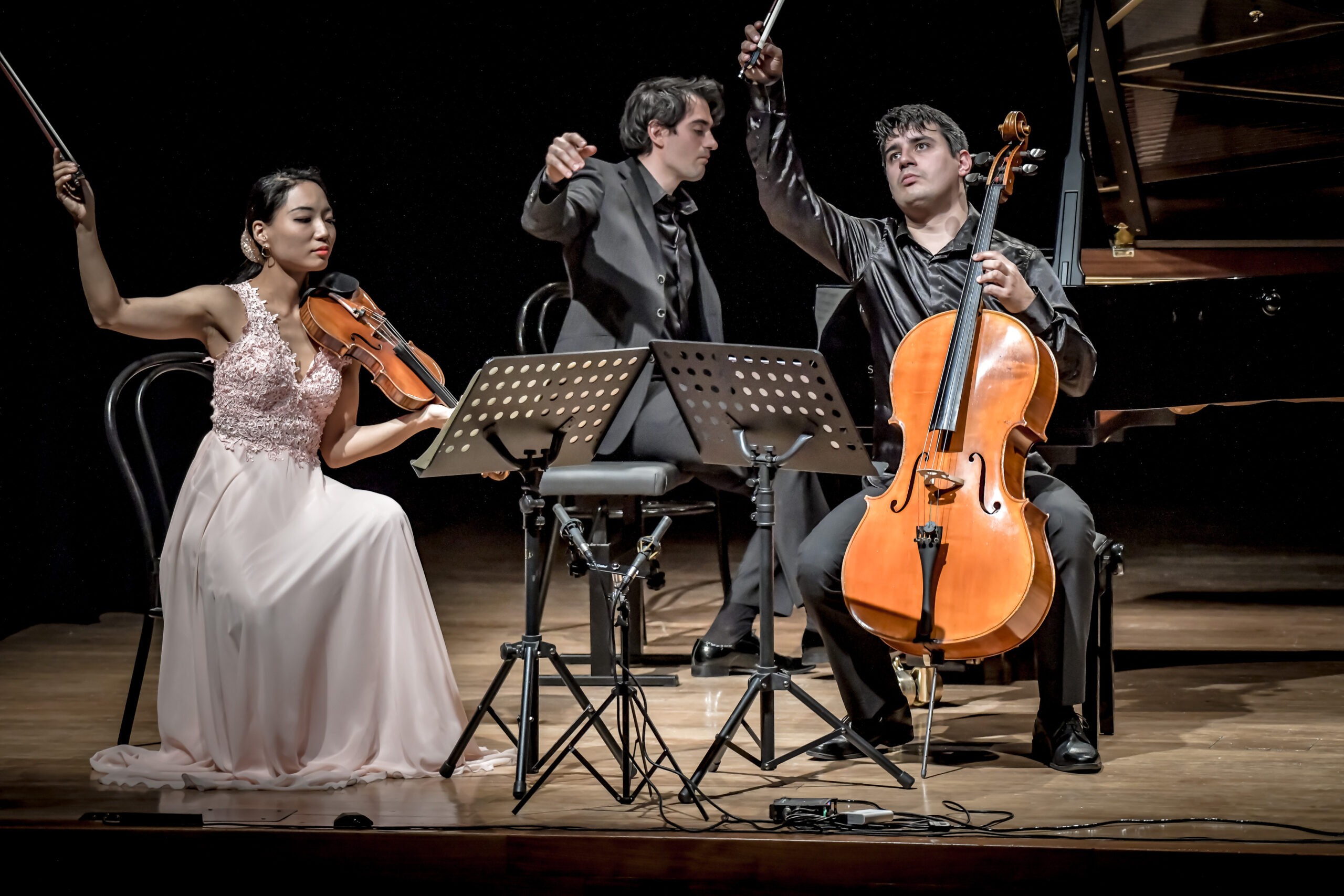
The Trio Kanon (the name refers to the musical form “canon,” but it also combines two Japanese words: “Ka,” meaning “flower,” and “On,” meaning “music,” literally translating to “flourishing music”) was formed in 2012 out of the friendship of three musicians who decided to share their passion for chamber music by studying under the guidance of the Trio di Parma at the International Chamber Music Academy of Duino, founded by the Trio di Trieste in 1989. Diego, Lena, and Alessandro each trained individually with musicians such as Maria Grazia Bellocchio, Salvatore Accardo, and Rocco Filippini at prestigious institutions such as the Accademia Stauffer in Cremona and the Accademia Internazionale S. Cecilia in Rome. They later attended chamber music courses together with Alexander Lonquich at the Accademia Chigiana in Siena, with Oliver Wille in Paris (Centre Européen de Musique de Chambre ProQuartet), and in Vienna at the Internationale Sommer Akademie 2015 with ECMA teachers (where the trio won the “Chamber Music Award,” sponsored by the Haydn Institute and the University of Music, as the best ensemble). The Trio achieved international acclaim by winning 1st Prize and two special awards at the 2018 International Chamber Music Competition of Pinerolo and Torino, a competition that had not seen an Italian group win in 17 years. Trio Kanon has performed in venues such as the Teatro La Fenice in Venice, Sala Casella and the Cappella Paolina for the Concerti del Quirinale in Rome, Teatro Verdi in Trieste, Sala dei Notari for Amici della Musica in Perugia, Teatro Vittoria in Turin for the Unione Musicale, Sala Piatti in Bergamo for the Società del Quartetto, Palazzo Ducale and Palazzo Te in Mantua for the Mantua Chamber Music Festival, as well as internationally in England, Croatia, Austria, China, and the United States, receiving widespread public and critical acclaim. In 2015, the trio was invited as a resident group at the renowned Aldeburgh Music Festival in Snape Maltings, where they performed twice at Jubilee Hall. In 2019, they toured Japan, performing at the Music Salon Amadeus in Kobe, the Phoenix Hall in Osaka, and Beethoven’s Triple Concerto at the Aqua Cultural Center in Toyonaka. They also had the privilege of working with Alfred Brendel, delving into Schubert’s repertoire in a masterclass organized by the Mozart Italia Association of Modica. In the 2020-2021 season, the Trio was invited to Montepulciano for the inaugural symphonic concert of the Cantiere Internazionale d’Arte, where they performed Beethoven’s Triple Concerto alongside the Orchestra Regionale Toscana conducted by Antonio Greco. In 2023, notable performances included their debut in the historic season of Conway Hall in London, appearances for the Società dei Concerti in Piacenza, and the Concert Season of Teatro Ponchielli in Cremona. They have recorded for the Amadeus magazine, Movimento Classical, and Warner Italy. Since November 2021, Diego, Alessandro, and Lena have been chamber music professors at the Scuola di Musica di Fiesole.